
The Bump
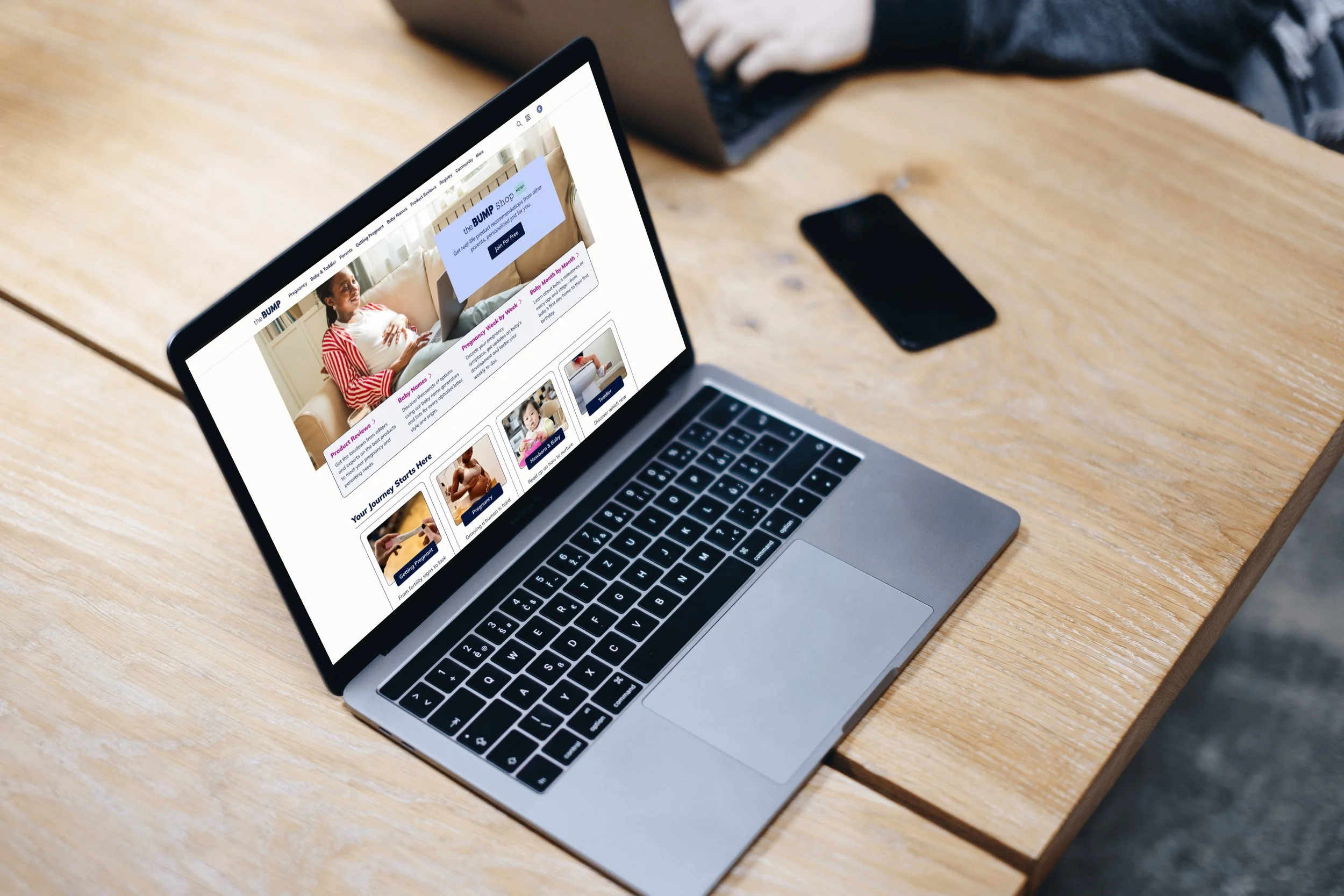
Bridging Content Authority to Commerce at Scale
The Bump is the #1 trusted resource for pregnancy and parenting information, with a massive loyal audience. But the business faced a critical inflection point: content alone wasn't enough.
The Challenge
The product was experiencing low engagement, and leadership saw a significant opportunity—move into e-commerce. The Bump Shop would become a new revenue stream. But this pivot created a complex design problem: How do you leverage trust built through content to enter commerce credibly?
Four interconnected challenges emerged:
Low Engagement: The existing product was content-heavy but not driving deep user interaction. Users came, read, and left. There was no reason to stay or return frequently.
Content vs. Commerce Tension: We'd built our reputation as a trusted information provider. Moving into e-commerce risked undermining that authority if executed poorly. Users needed to see The Shop as a natural extension of our editorial mission, not a cynical monetization.
Trust & Authority: We had trust in the content. But could we extend that to transactions as well? Would users feel confident purchasing baby products from us?
Scalability & Visual Inconsistency: A complete brand refresh + new product launch meant we needed a foundational design system that could support rapid growth without constant design involvement. We'd need to hire more designers, and consistency had to be baked into the system rather than left to individual designer judgment.
My Role
I was brought in as Lead Product Designer during the rebranding and Shop launch (2021-2023). My mandate evolved: initially leading the rebrand visually, I became the design leader defining the product vision and strategy across the entire platform ecosystem.
I worked with cross-functional teams: Product leadership, Engineering (we scaled from 3 to 8 designers), Marketing, Operations, and Data.
A key insight: design wasn't just about user-facing surfaces. It was about aligning the entire organization around how we'd serve users across content, commerce, and community.
Eventually, I was promoted to Director of Product Design, responsible for all design governance, team development, and the long-term design strategy.
-
I facilitated cross-functional workshops with Product, Engineering, Operations, Marketing, and Sales. This wasn't just about gathering requirements—it was about creating shared understanding of the business opportunity and the user problem we were solving.
Key insight from Operations and Sales: The Bump's authority came from editorial rigor. Any commerce experience had to reflect that same rigor. Products we recommended had to be curated, not just crowdsourced.
-
I conducted moderated user research with pregnant and parenting audiences to understand their decision-making process around product purchases. What emerged:
Parents are overwhelmed by choice (there are literally thousands of baby products)
They seek guidance from sources they trust
They experience decision paralysis from too many reviews, conflicting advice, and unclear product differentiation
They want to feel confident they're making the "right" choice
I created detailed journey maps that showed the current state (chaos and paralysis) and the desired state (guided curation with confidence). These journey maps became the shared language across the entire organization. Everyone could point to a stage and say, "We're solving for this moment."
-
Rather than designing pages, I designed systems. I built a comprehensive design system that included:
Semantic color system that reflected the rebrand (warm, approachable, authoritative)
Typography hierarchy that balanced content readability with commercial urgency
Component library that could be applied to both content and commerce surfaces
Interaction patterns that reduced cognitive load through consistent behavior
Accessibility guidelines that ensured the entire ecosystem was inclusive
Crucially, I documented this system not as pretty design artifacts, but as a working tool for engineers and future designers. Every component had usage guidelines, do's and don'ts, and code integration examples.
-
Rather than a big bang launch, we phased the experience across 5 stages:
Phase 1: Discovery — Users explore The Bump's editorial content and discover product recommendations contextually
Phase 2: Action/Seamless Transition — Clear pathways from content to commerce without jarring context switches
Phase 3: Personalization — Tailored recommendations based on life stage (Pregnancy, Newborn & Baby, Toddler) and user behavior
Phase 4: Universal Registry — The Bump Registry becomes the central hub for organizing purchases and gifting
Phase 5: Transaction — Seamless checkout and post-purchase support
Each phase had clear success metrics and user feedback loops. This phased approach also reduced engineering risk and allowed us to learn at each stage.
The Process
Rather than diving straight into design, I started by understanding the system.
The Solution
-
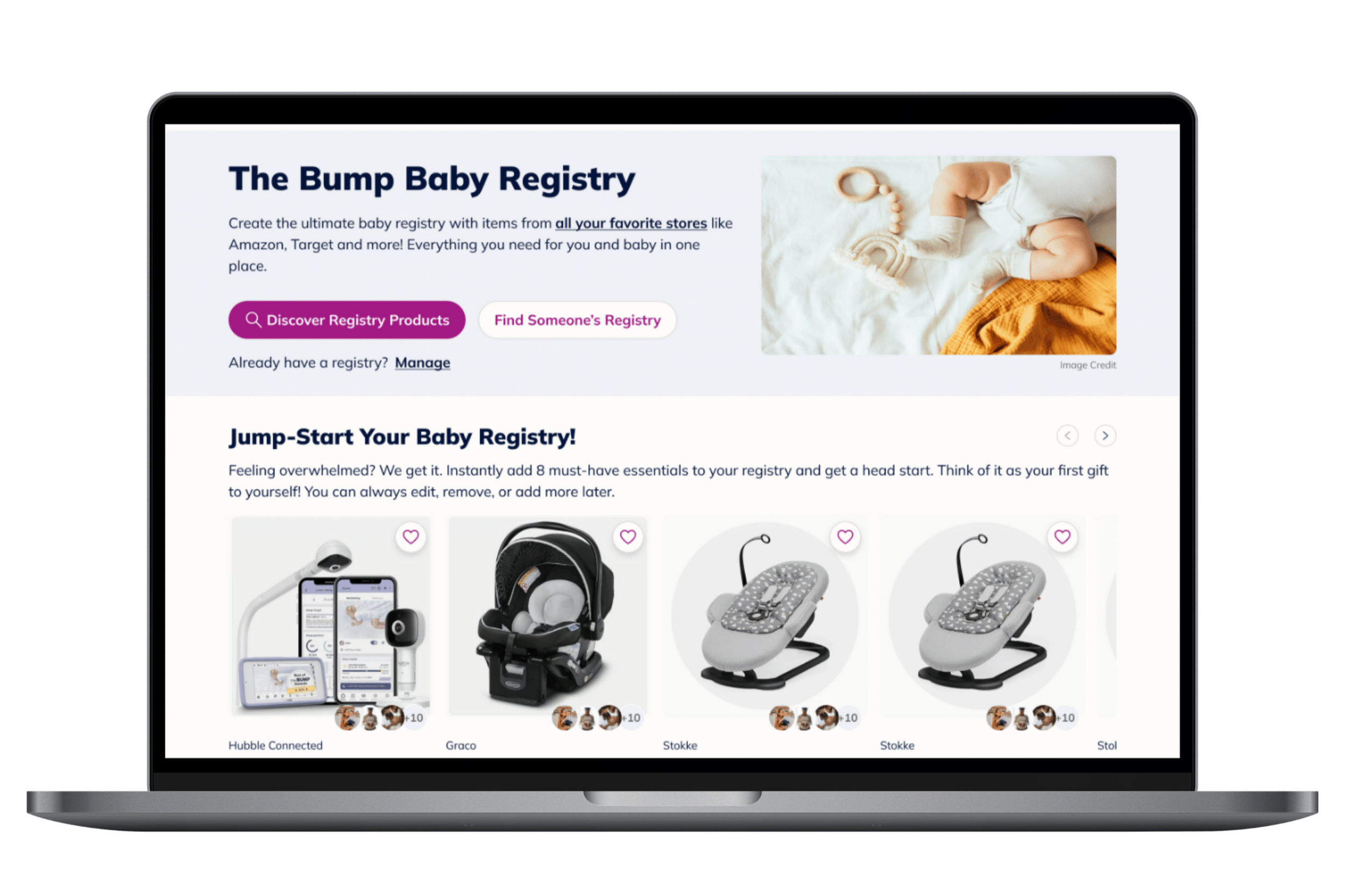
Visual & Information Architecture Refresh
We redesigned the entire platform to communicate that The Bump had evolved:
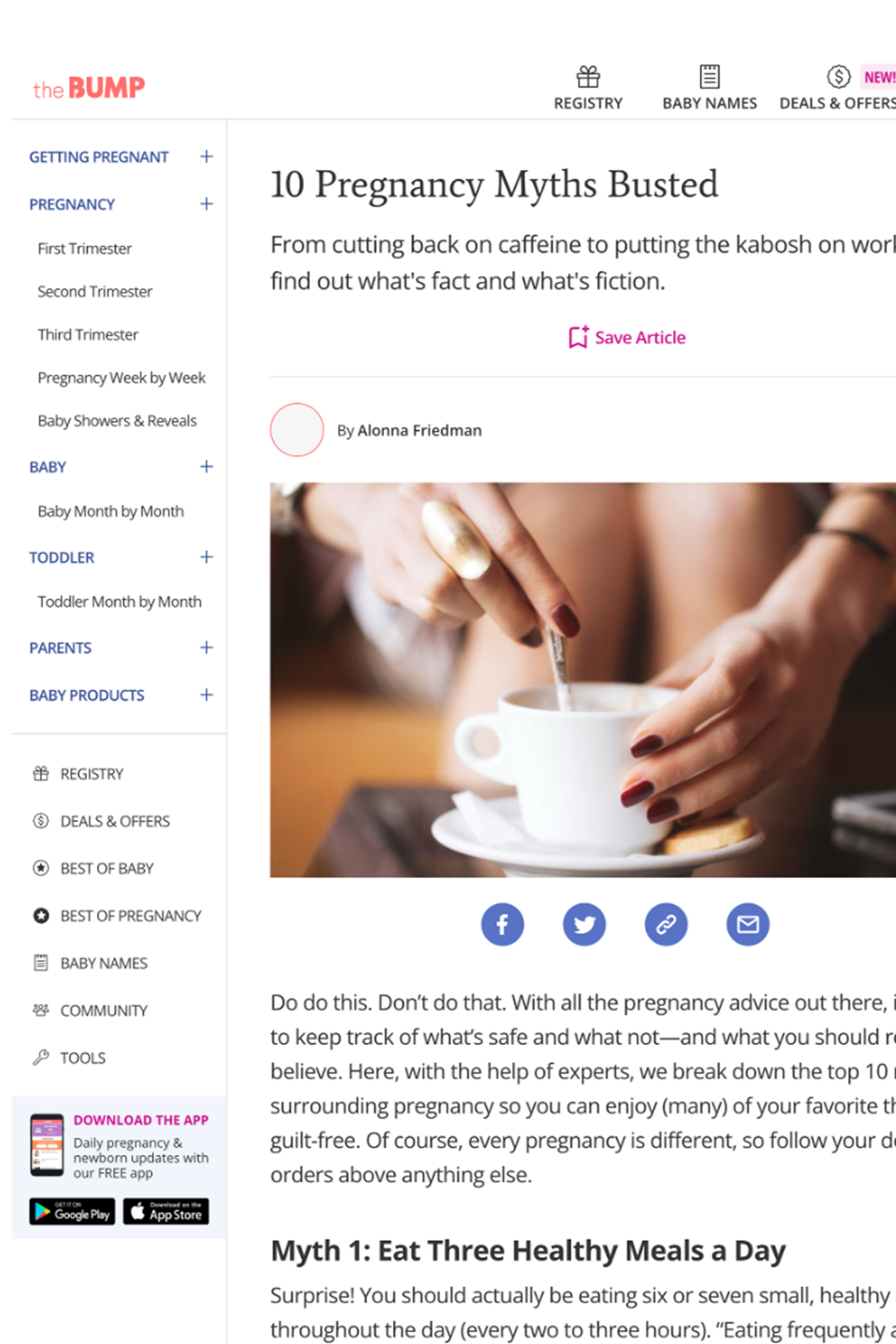
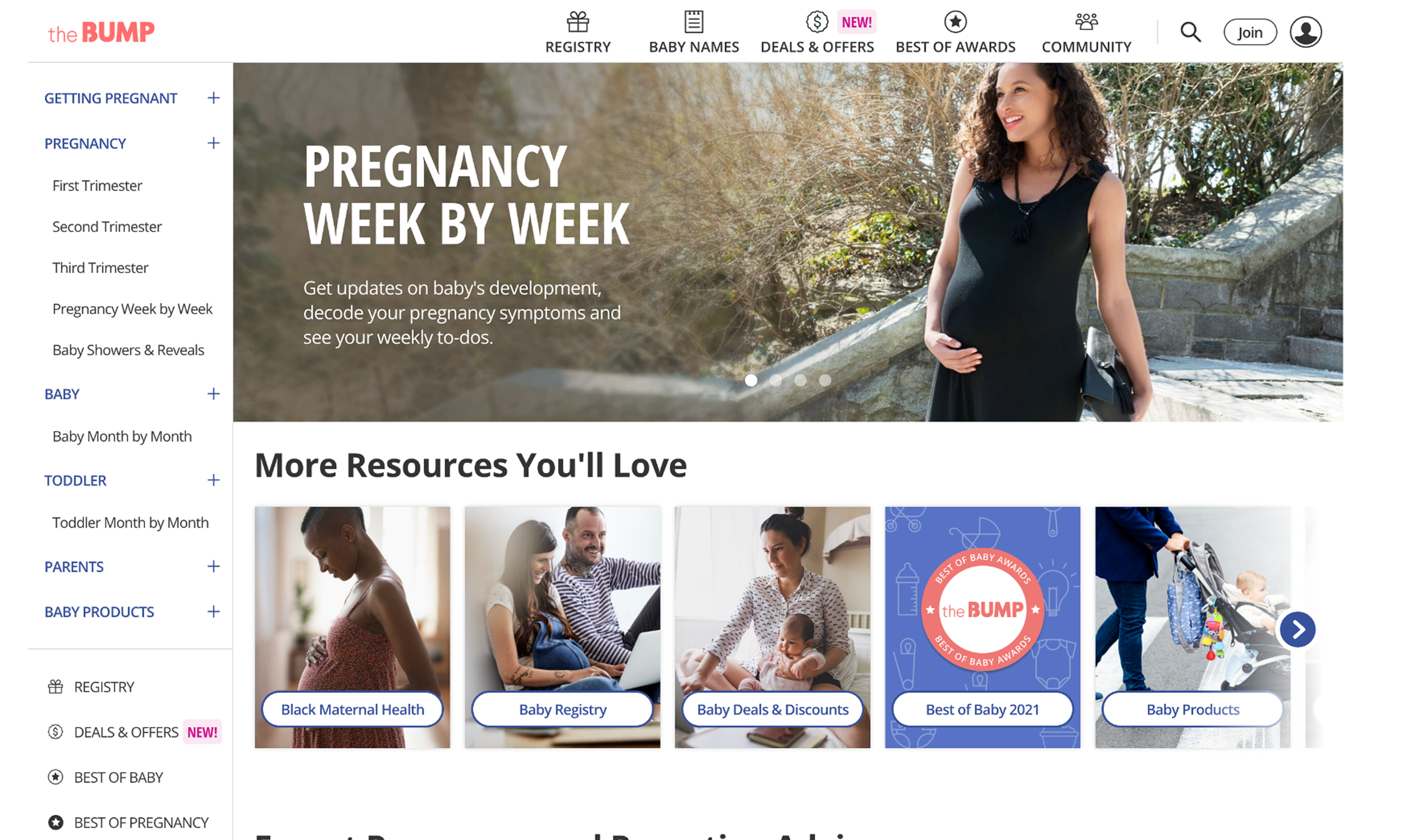
Before: Content-heavy homepage with cluttered navigation, unclear commerce pathways, inconsistent visual language across sections
After: Clean, intentional information architecture with three clear entry points (Pregnancy, Newborn & Baby, Toddler) that guided users to both content and commerce naturally
-
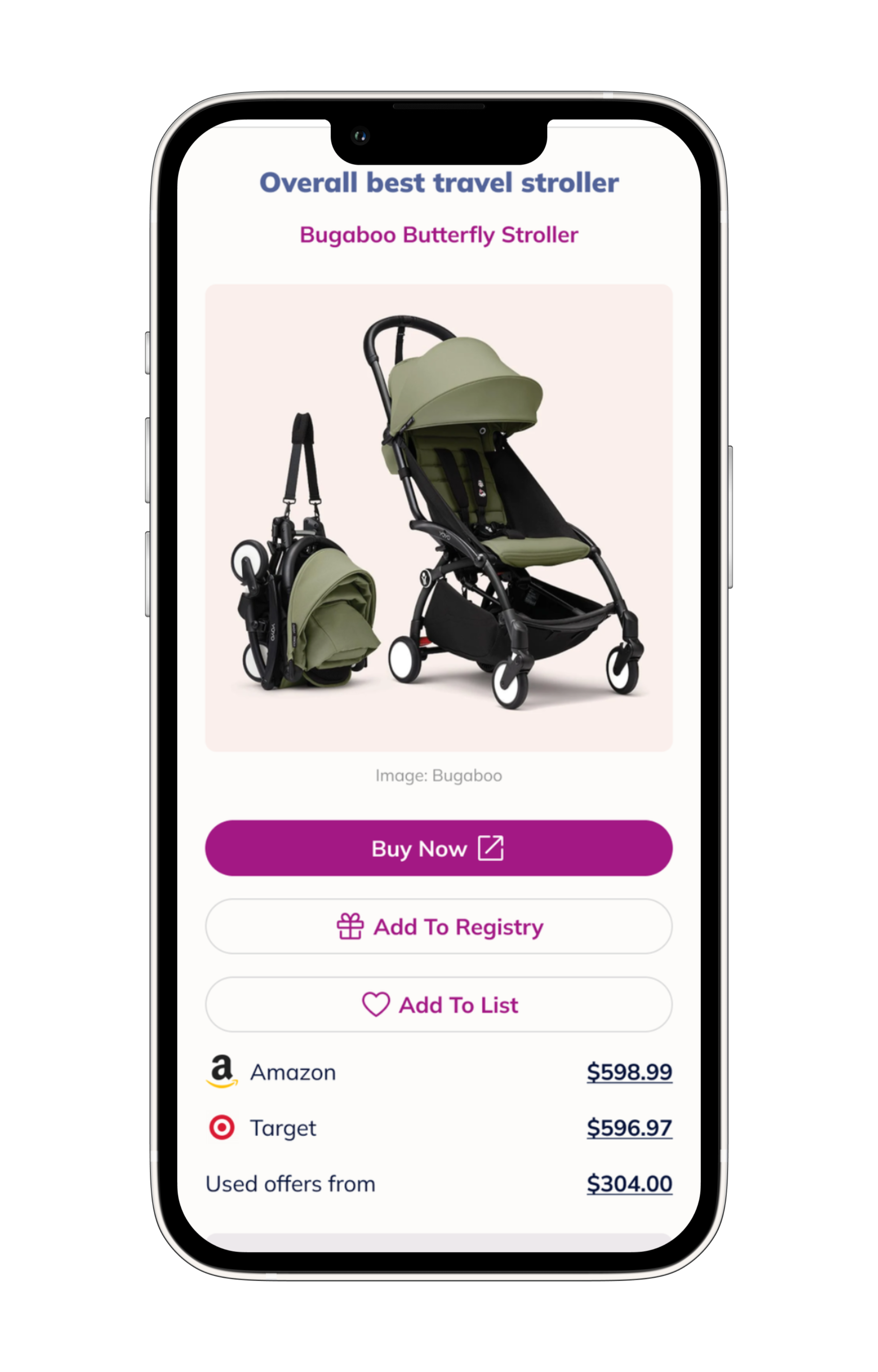
The Bump Shop Integration
Rather than building a separate e-commerce site, we integrated The Shop contextually throughout the platform:
Product recommendations appeared within relevant articles (e.g., "Best Strollers" article linked to curated products in The Shop)
Registry functionality lived at the heart of the ecosystem, not as an afterthought
Each product had editorial context (why we recommend it, what makes it different) alongside purchase information
-
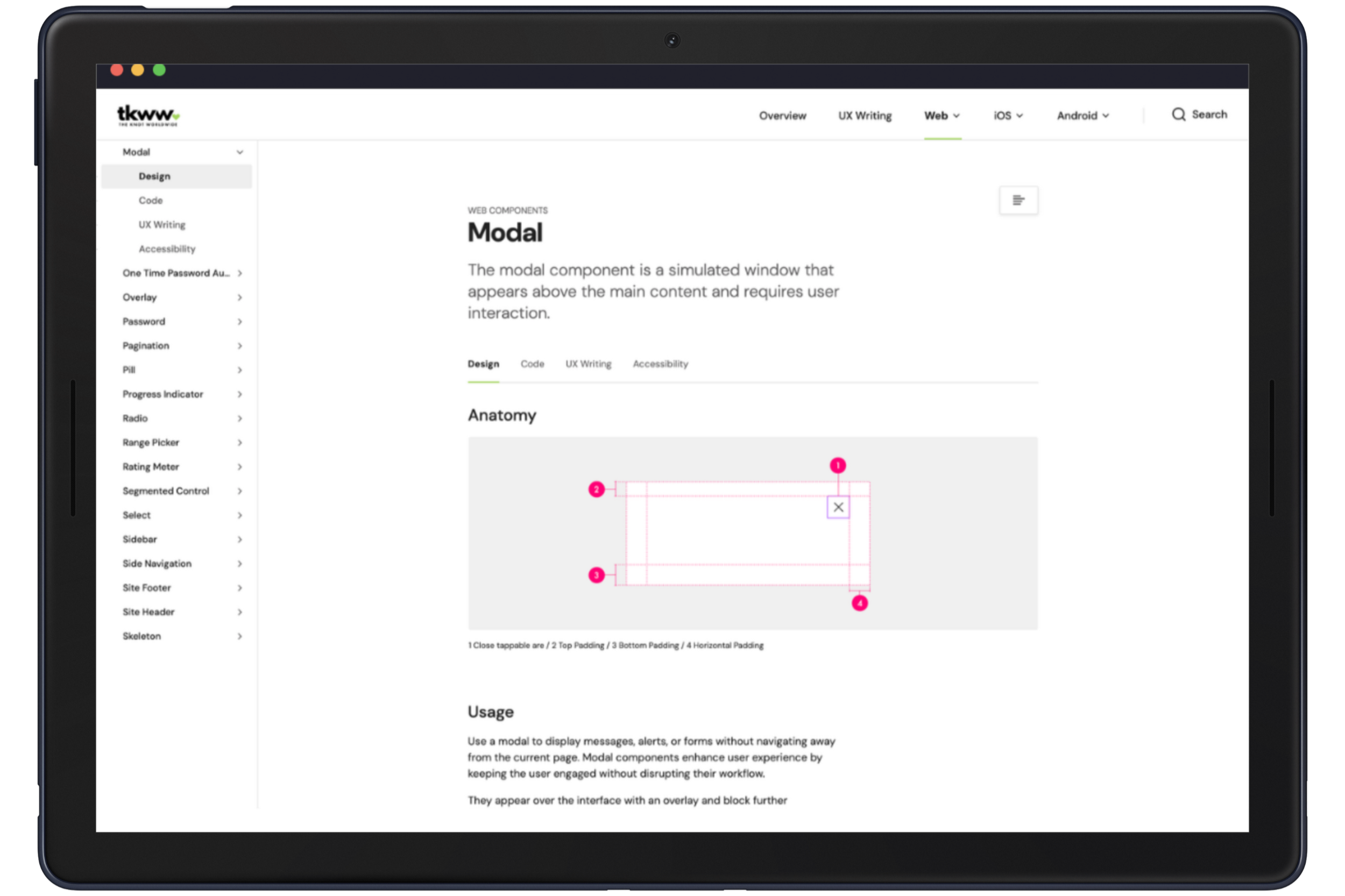
Design System Across Platforms
The design system we built scaled across:
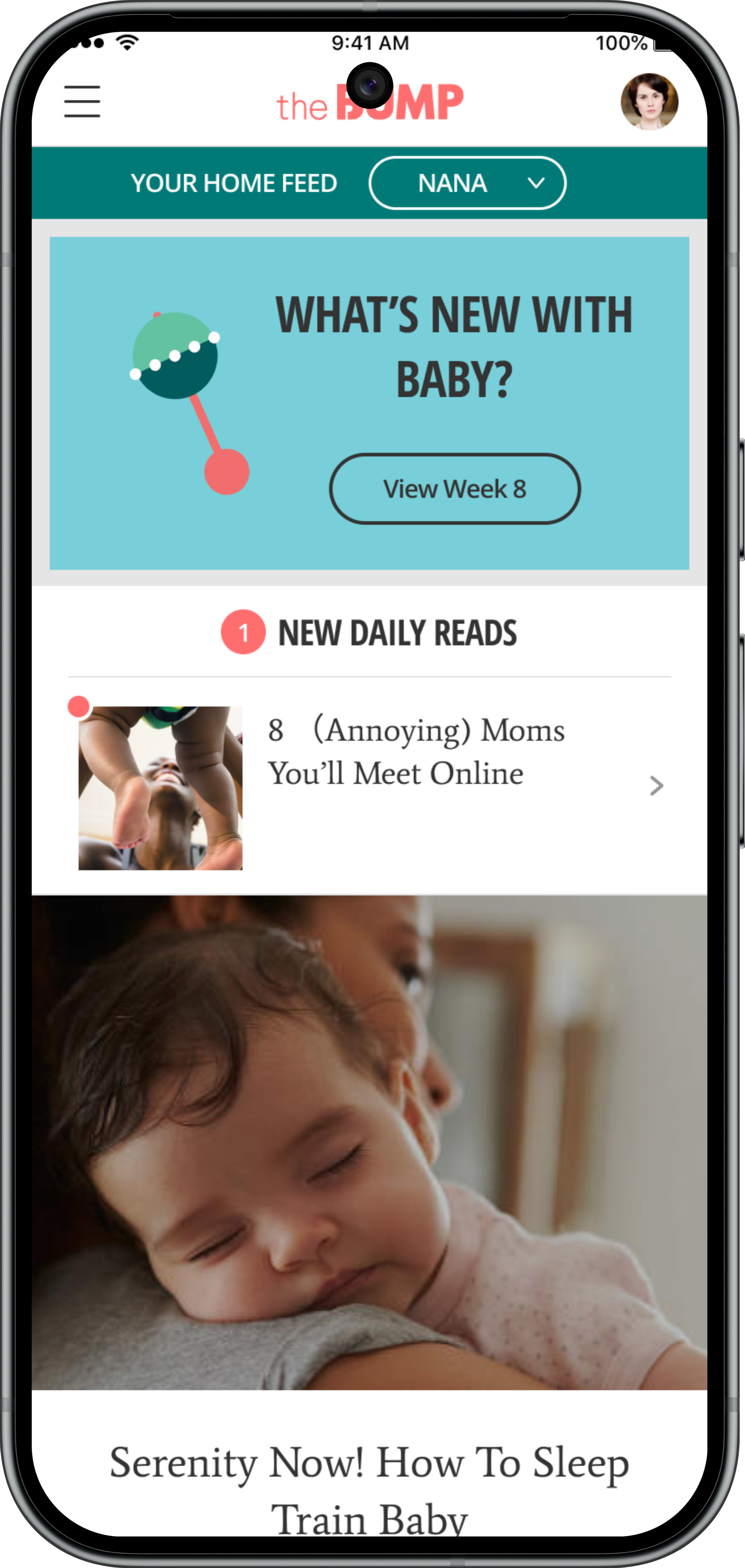
Web platform (desktop and mobile), iOS app, Android app, Marketing and landing pages, and Email campaigns
By establishing shared components and patterns, we ensured consistency without slowing the team down. As we hired more designers, they could contribute immediately without reinventing the wheel.
The Impact





Design thinking and systems thinking are inseparable.
You can't solve a complex business problem (content + commerce + brand refresh) with point solutions. You need to:
Understand the entire system — not just the user interface, but the organizational constraints, business model, and operational realities
Make trade-offs visible — bring cross-functional teams into the design process early so decisions reflect business, engineering, and user needs
Build for scale from day one — whether that's scaling your team, your platform, or your business model
Communicate through artifacts — journey maps, design systems, and phased strategies create shared understanding and reduce miscommunication
This experience directly shaped how I approach leadership roles
I can define product design vision and strategy from first principles
I can build design systems that support rapid growth and team scaling
I can collaborate across functions (especially Operations and Data) to align design with business reality
I can develop design talent and establish team culture that attracts and retains great designers
I understand how to bridge strategic thinking with hands-on execution